





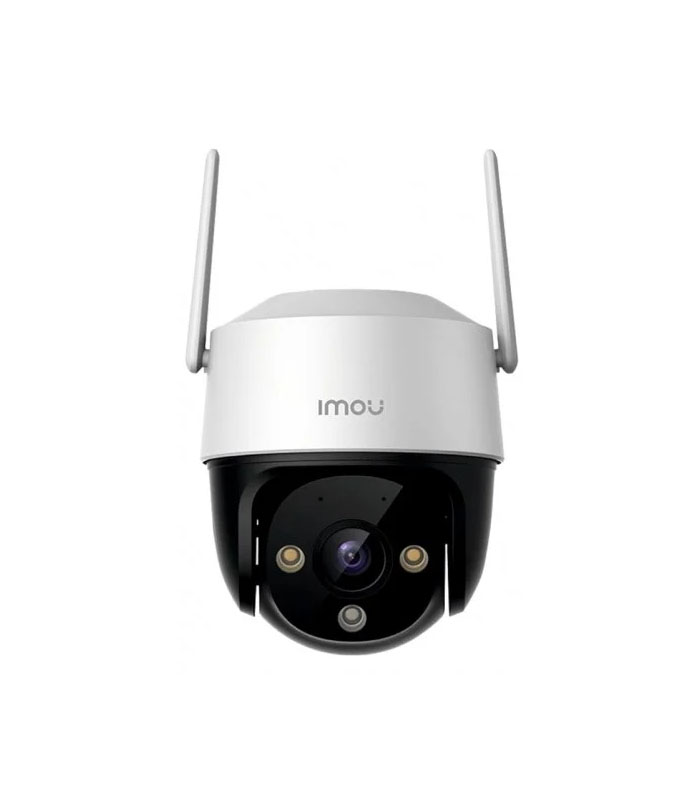
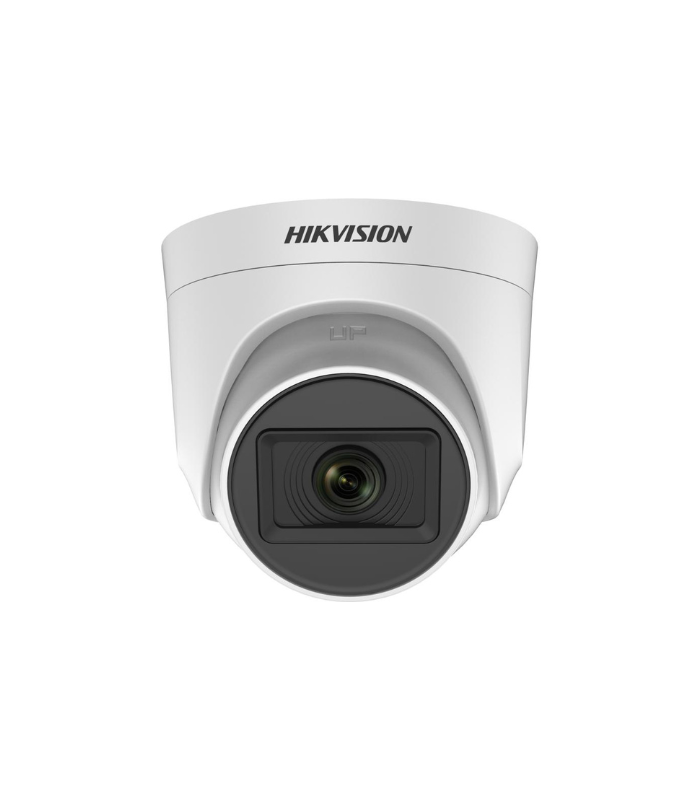
 CCTV Camera
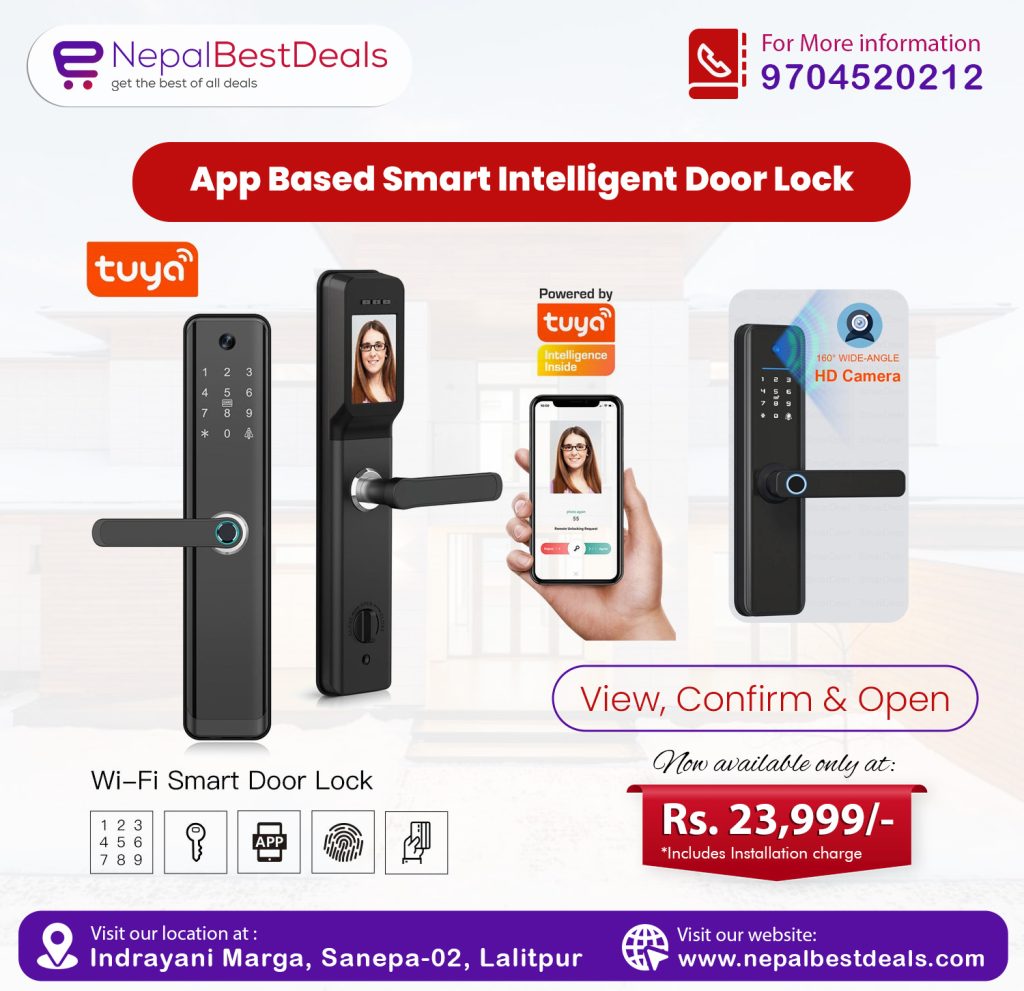
 Smart Door Lock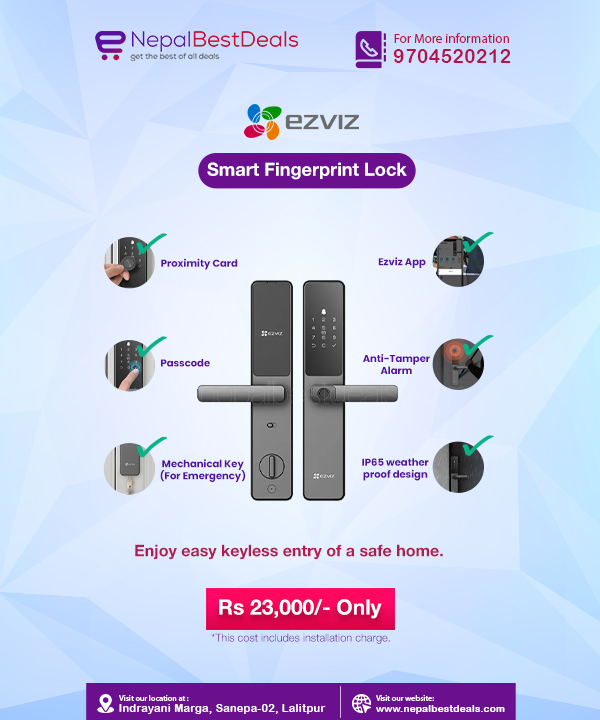
 GPS Tracker
 Network Switches
Types of Door Locks in Nepal

Door locks deliver both security and necessary privacy. It protects homes, offices and commercial buildings. In Nepal, the demand for reliable and well-designed locks has grown steadily. The market needs better solutions to expanding cities and increasing safety awareness. Today, the market offers a wide range of options. Homeowners can find everything from the simple padlocks common in rural areas to sophisticated digital systems used in modern apartments, allowing them to choose the perfect solution for their preferences and budget.
1. Mechanical Locks:
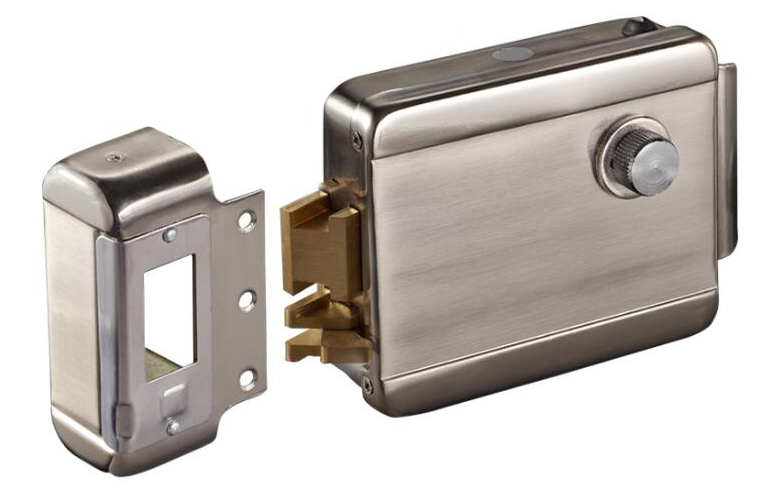
Mechanical locks entirely rely on physical, tangible mechanisms to secure access. Hence, they offer absolute reliability because they don’t need external power sources. Builders use these locks everywhere, from simple interior doors to the most complex entrances.
2. The Mortise Lock:
Builders mostly use the mortise lock for heavy wooden main doors, considering them the standard for mechanical security.
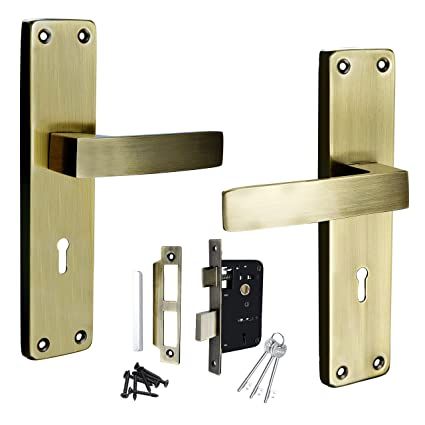
· Mechanism: The mortise lock mechanism centers on the mortise case. Workers install the case inside the door’s rectangular cavity and a spindle links the case to the exterior handle or knob.
· Key Features & Security: The placement makes them difficult to tamper with as the locking mechanism sits deep inside the door itself. Installers can fit mortise locks with a solid deadbolt in addition to the regular latch, which enhances their renowned strength.
· Homeowners and project managers highly prefer them for main entrance wooden doors and high-end residential projects in Nepal. Businesses also choose them for a clean aesthetic.
· Price Orientation: Mortise locks typically range from ₨ 2,500 for basic interior sets up to ₨ 8,000 – 15,000+ for high-security.
3. Cylindrical Locks:
Users install them most commonly on interior and utility doors because of their simple design. People often call them knob or lever handle locks.
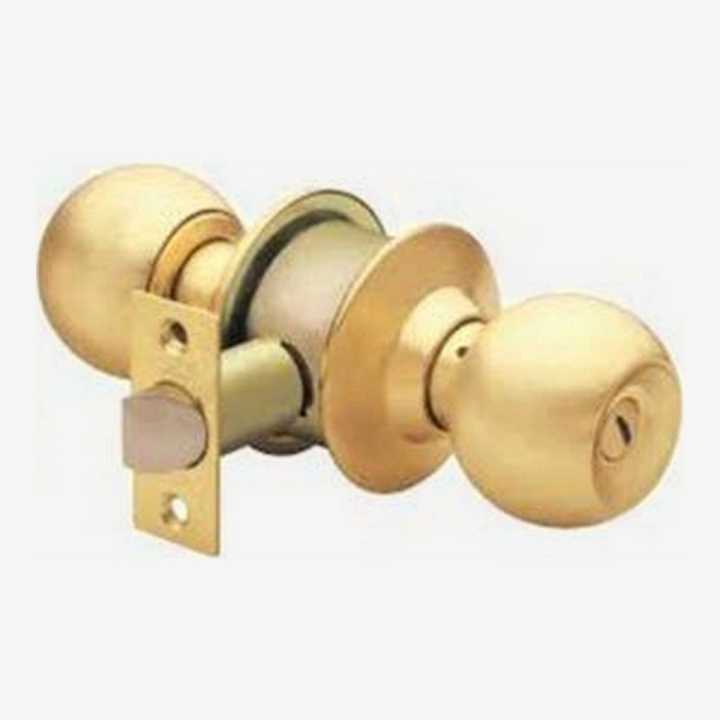
· Mechanism: Installers find them easy to set up, with just two holes, one for the cylinder and one for the latch bolt. The door knob or the lever itself holds the locking mechanism.
· Application in Nepal: They provide privacy rather than high security. They are often used in bathrooms, bedrooms, and interior office doors due to their ease of use and low cost.
· Price Orientation: Very affordable, ranging from ₨ 800 – 2,500
4. Deadbolts:
A Deadbolt is a lock that is completely separate from the door handle mechanism, designed solely for additional security.
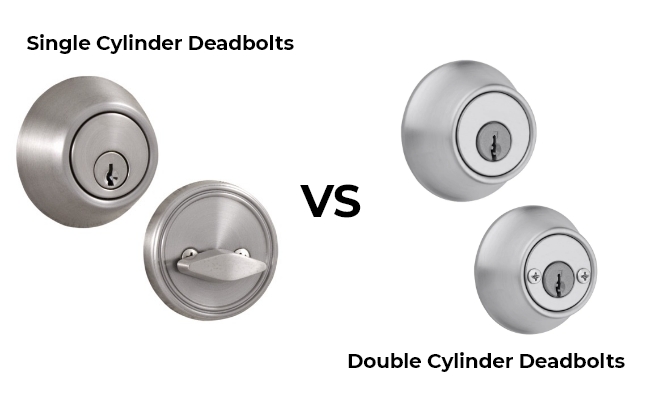
· Mechanism: A solid bolt of metal (often cylindrical or square) extends deep into the door frame when locked. Unlike a spring latch, a deadbolt cannot be retracted by applying force to the bolt itself.
· Application in Nepal: Installers always install deadbolts on main wooden doors in conjunction with a Mortise or Cylindrical lock for reinforcement.
· Price Orientation: Starts at ₨ 1,800 for basic models and can go up to ₨ 5,000+ for hardened steel.
5. Electronic and Smart Locks
Electronic and smart locks control access digitally. They work using keypads, cards or other electronic signals. Smart locks, however, connect to phones or home networks taking the technology further. They can connect to phones or home networks. This allows the users to control the lock remotely and integrate the device with other smart home systems.
https://nepalbestdeals.com/product-category/smart-door-lock/
6. Smart Digital Door Locks
These battery-powered systems offer multiple verification methods.
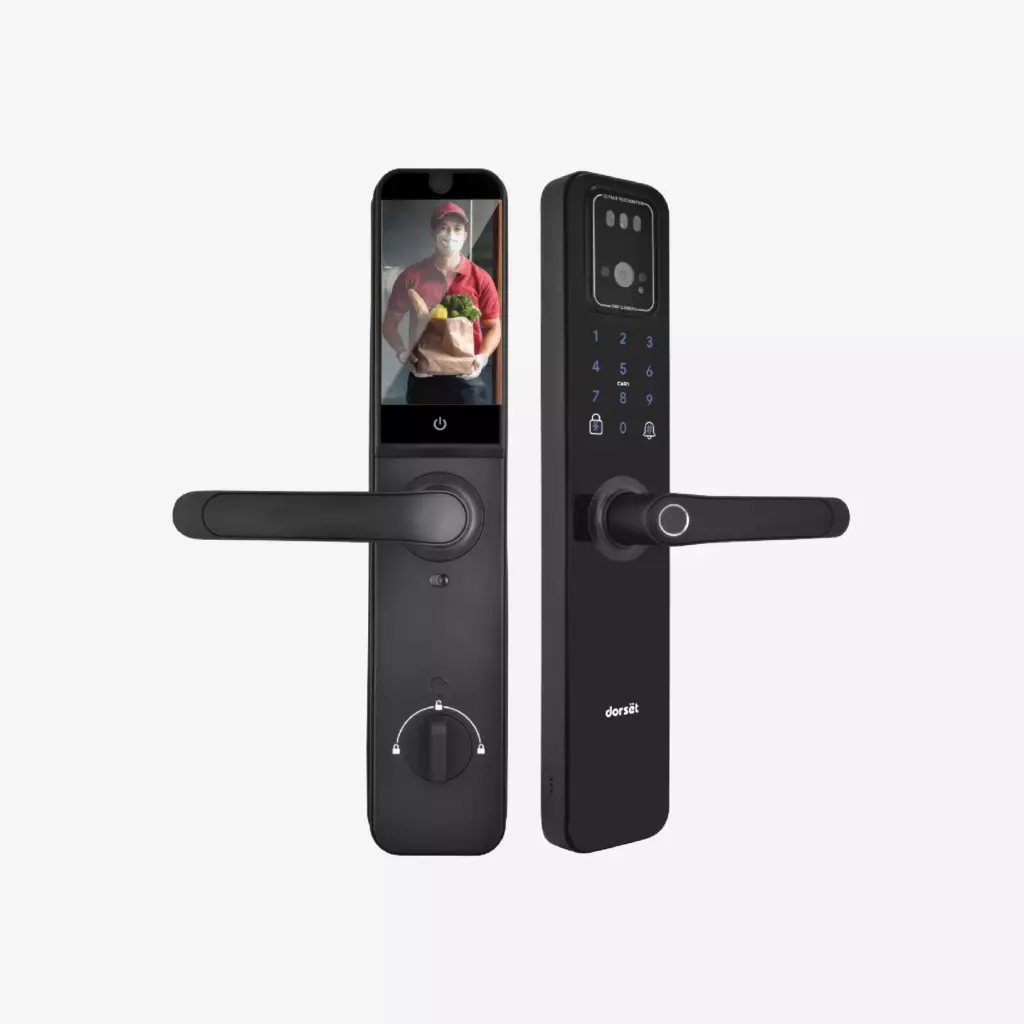
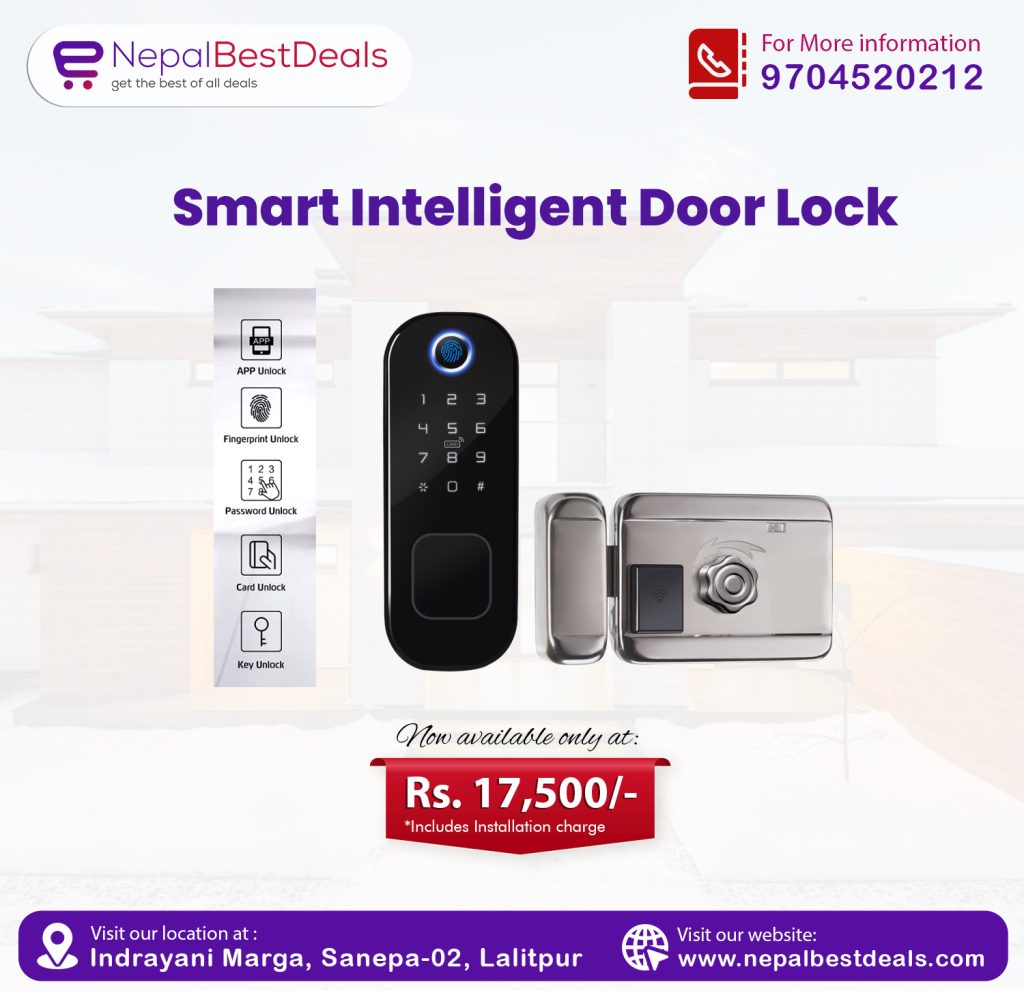
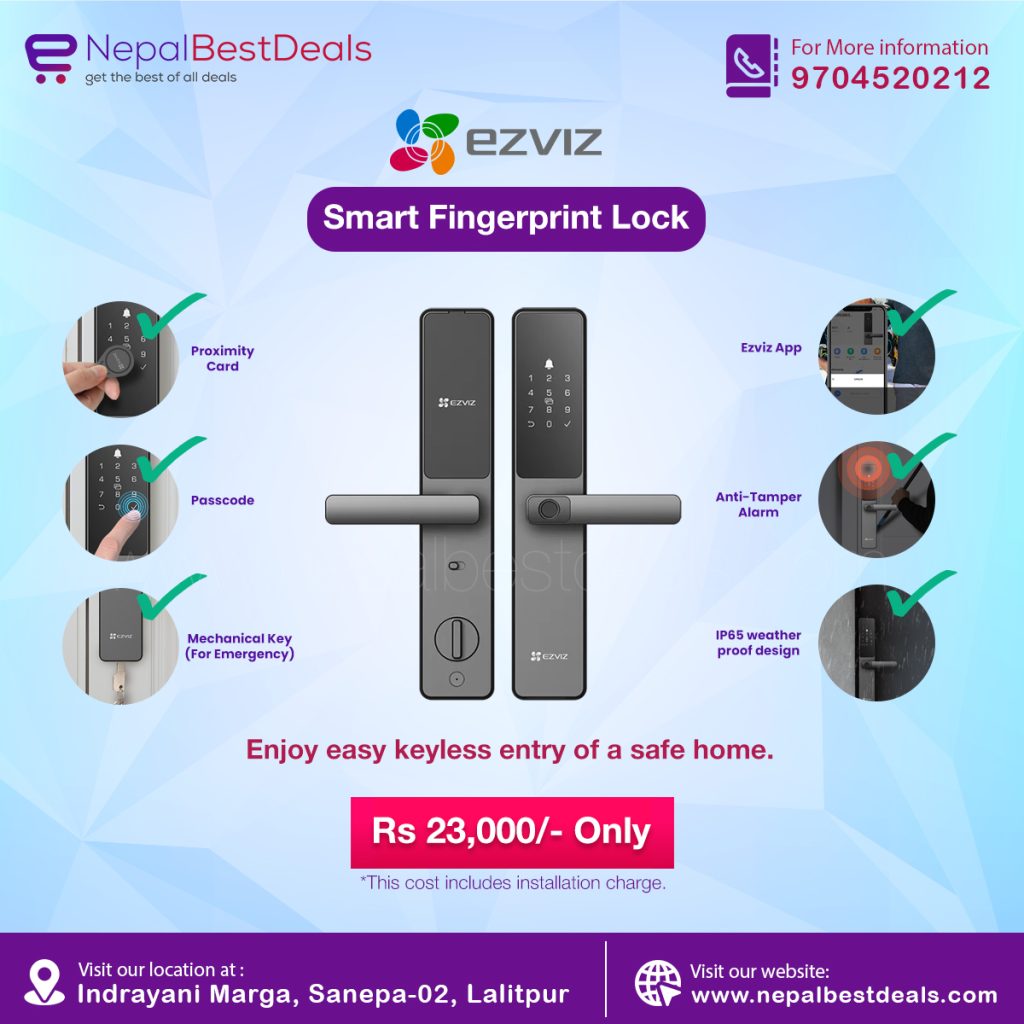
· Mechanism: Smart locks use a motorized bolt mechanism that is controlled by an electronic module. They deliver convenience and control through features like biometric scanning, keypad/PIN entry and mobile app control.
· Application in Nepal: It is highly favored by luxury residential developers, serviced apartments and hotels due to their remote management capabilities.
· Price Orientation: Entry-level keypad/fingerprint locks start around ₨ 18,000 – 25,000. Premium models can easily reach ₨ 45,000 – 60,000+.
7. Commercial Access Control Locks
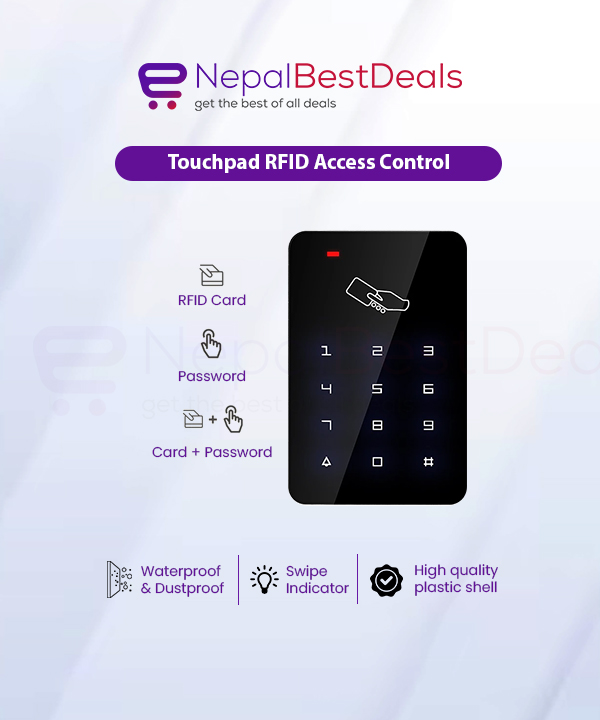
These mechanisms specifically work with external card readers, biometric scanners, or remote systems.
Businesses use them for time and attendance in commercial spaces.
i. Magnetic Locks: These locks are frequently used in office environments especially for glass doors where mechanical locks are not suitable. A powerful electromagnet is mounted on the door frame that holds a steel plate.
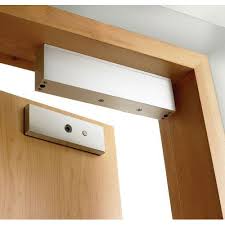
Price: ₨ 5,000 – 7,500
ii. Electric Drop Bolt Locks: These locks provide higher security than EM locks by driving a solid bolt into the door frame.
Price (Lock only): ₨ 3,000 – 6,000
iii. Electric Rim Locks: Users often pair surface mounted locks with audio/video door phones on the main apartment building gates or metal shutters.
Price: Rs. 4,000 – 6,000
8. Traditional Security Measures
We cannot fully discuss Nepalese security without acknowledging the traditional practical supplementary methods.
1) Traditional Padlocks (Tala) and Gate Security
The traditional padlock remains the cornerstone of street-level security in Nepal, securing everything from shutters and gates to compound doors.
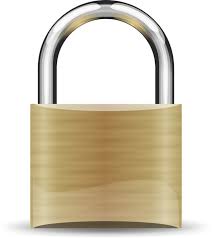
Functionality: Padlocks from brands like Godrej use hardened steel that features 6 to 10 lever mechanisms to increase resistance.
Artisanal Locks: Handcrafted brass padlocks are widely sold often featuring the Newari iconograph. Locks generally use basic internal security mechanisms; consequently, buyers purchase them more for their decorative or cultural values than for a higher level of security. Such locks generally use basic internal security mechanisms; however, buyers purchase them more for their decorative or cultural values than for a higher level of security.
2) The Newari Door and Internal Bolt Systems
Traditional Newari architecture found in Patan, Bhaktapur, and the old sections of Kathmandu features intricate wooden doors.
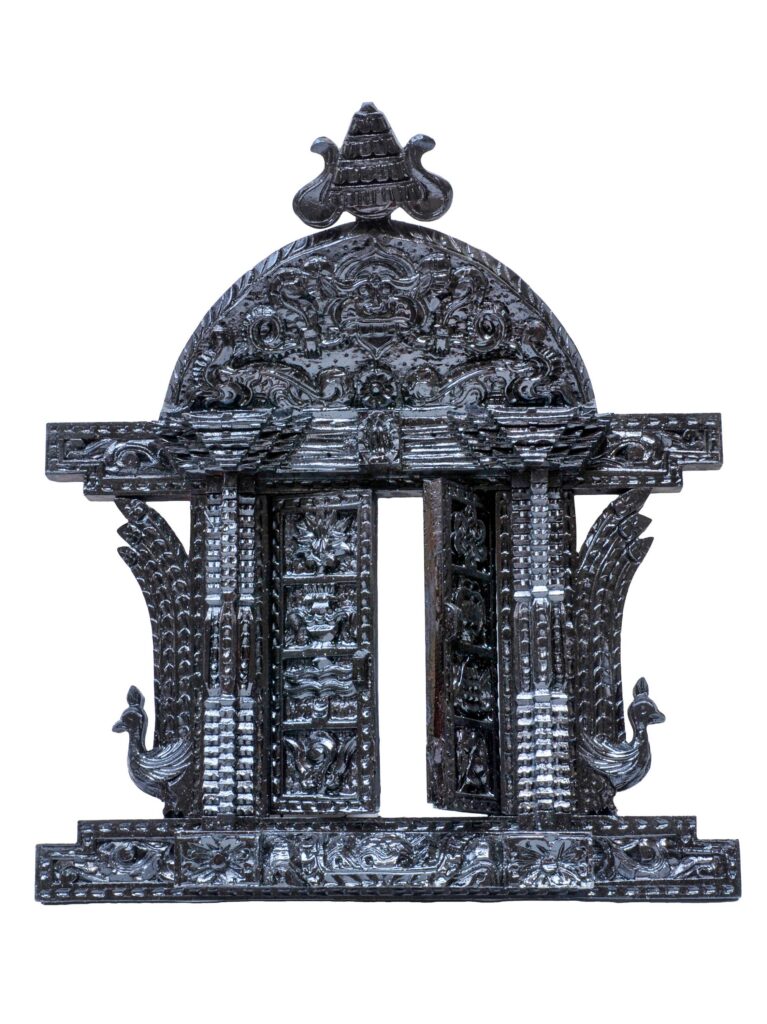
Mechanism: Historically, these doors relied on large wooden or iron bolt systems. These systems slid into the heavy stone or frames. Modern users have largely supplemented them with Mortise locks and steel tower bolts to meet the contemporary security standards.
9. Door Controls
While not locking themselves, door controls are crucial because they ensure the locking mechanism functions correctly.
Hydraulic Door Closers: These mechanisms ensure the door always swings shut completely and steadily. This is vital for electronic access control, where the magnetic plate must align perfectly to secure the door.
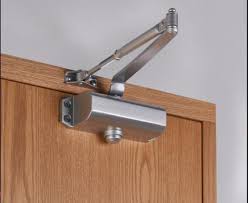
These range from Rs. 1,500 – 5,000.
Conclusion
Nepal’s door lock market offers a wide range of options, where consumers can find solutions for every building, from affordable rental rooms to large office complexes. A strong mortise lock with a solid deadbolt still remains the most trusted choice; however, people are shifting towards keyless systems. Consequently, smart digital locks have become popular in newer homes because they combine convenience with powerful security features. Furthermore, the complexity of the internal mechanism or the advancement of smart model electronic features largely drives the cost, rather than only the metal composition. Choosing the right lock means finding the correct mix of sturdy mechanical parts and smart technology based on your specific security needs.
Contact Us
Got a question about a lock type? Contact us directly today for the best security solutions and deals tailored for Nepal!