






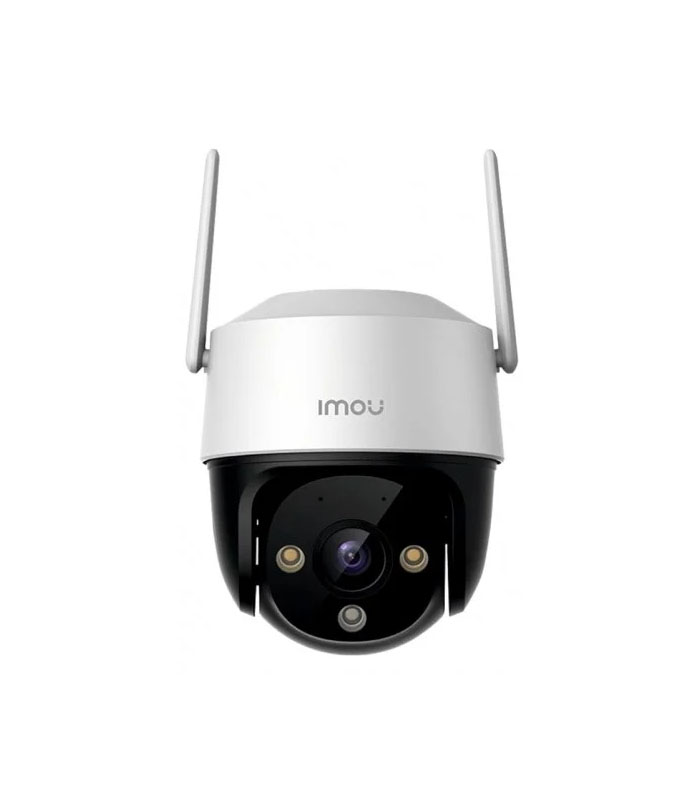
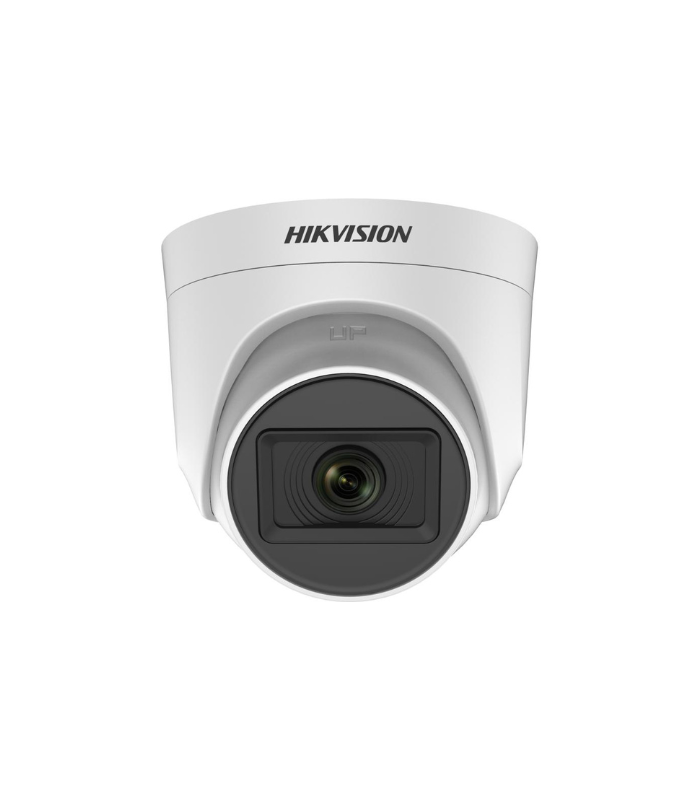
 CCTV Camera
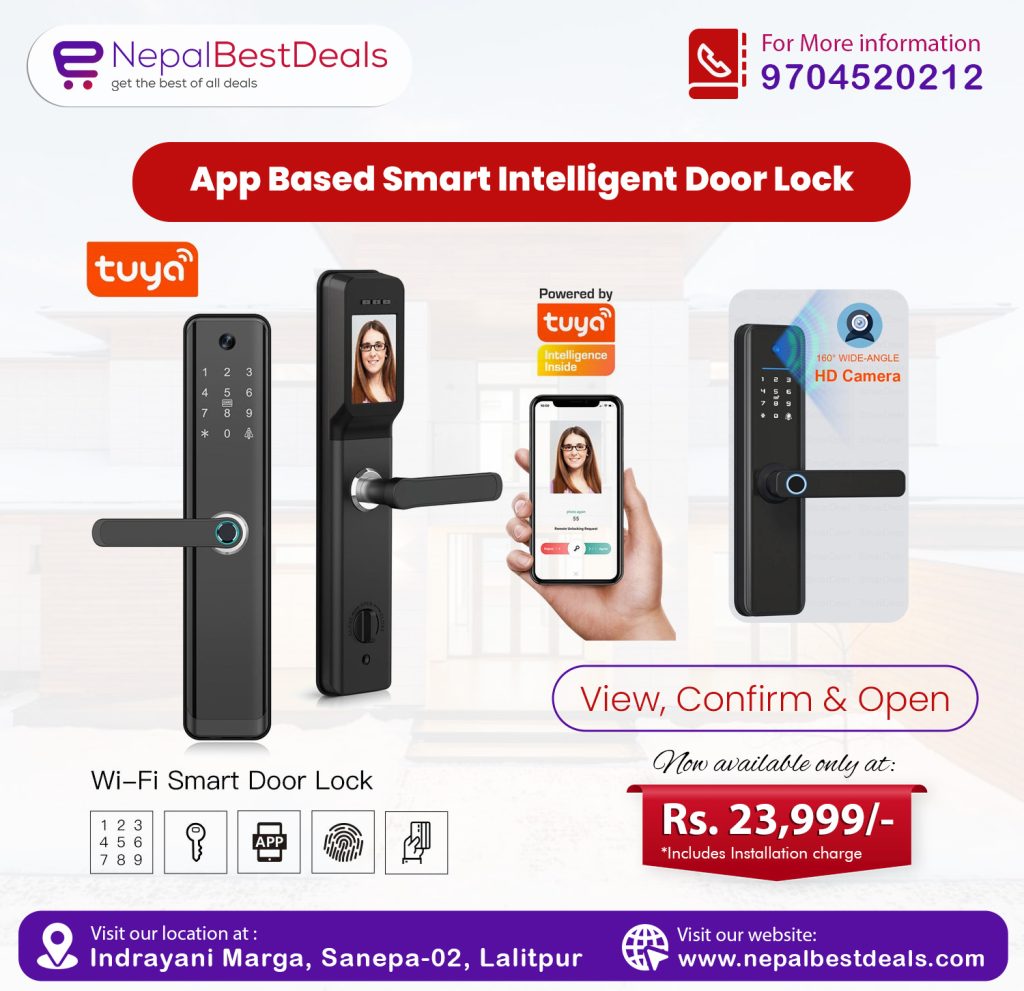
 Smart Door Lock
 GPS Tracker
 Network Switches
Access Control in Nepal

Nepal is witnessing rapid urbanization, technological modernization, and growing security concerns across residential, commercial, and institutional sectors. As cities expand and businesses adopt digital systems, controlling and monitoring entry to physical spaces has become increasingly important. Access Control Systems (ACS) play a vital role in modern security by ensuring that only authorized individuals can enter specific areas. In Nepal, the adoption of access management technology is steadily increasing due to infrastructure development, business digitization, and rising awareness of safety standards. This article examines physical security systems in Nepal with a focus on pricing structure, system types, sector-wise usage, and future trends. https://en.wikipedia.org/wiki/Access_control
Understanding Access Management Systems
Access control refers to technologies and procedures that regulate who can enter or use a building, room, or restricted area. Unlike traditional locks and keys, modern systems rely on electronic authentication methods such as cards, PINs, biometric data, or mobile credentials. These systems improve security while also enabling activity logging, permission management, and quick response during emergencies.In Nepal, access control systems are increasingly used in offices, apartment buildings, hospitals, educational institutions, factories, and government facilities. Their growing use reflects a shift from manual security practices to structured and technology-driven security management.
Why Access Control Is Important in Nepal
Several factors have increased the demand for access control solutions in Nepal. Urban areas such as Kathmandu, Lalitpur, and Pokhara face growing population density, which raises concerns about unauthorized access, theft, and safety. At the same time, businesses and institutions are handling more sensitive information and valuable assets, making traditional security methods insufficient.
Access control systems help organizations reduce dependency on physical keys, which are easily lost or duplicated. They also provide accountability by recording who accessed a facility and when. In emergency situations, administrators can quickly lock down areas or revoke access, improving overall safety.
Pricing Structure of Access Control Systems in Nepal
- The Core Component Cost:
The initial pricing factor for any ACS is the main reader or terminal. The cost escalates significantly with the advancement of biometric technology.
| Technology Type | Primary Function | Estimated Price Range | Key Models |
| Card-Based | Simple, fast access via card or PIN. | ₨ 4,500 – 12,000 | Hikvision DS-K1102EK, ZKTeco FR1300 |
| Basic Fingerprint | Dual T&A and Access Control. | ₨ 9,125 – 17,000 | Hikvision K1A8503, ZKTeco K40 Pro, SF 100 Reader |
| Advanced Biometric | Contactless access, high capacity. | ₨ 17,400 – 41,000+ | ZKTeco eFace10, Hikvision DS-K1T343MFWX, ZKTeco iFace 702 |
- Essential Supporting Hardware:
The functional system requires a locking mechanism, a power supply, and an exit trigger. These components add significantly to the total cost.
| Component | Specification | Estimated Price Range |
| Magnetic Door Lock | The most common lock for glass/wooden doors. | ₨ 4,999 – 7,500 |
| Bolt Lock | Used for wooden doors. | ₨ 4,800 – 10,000 |
| Mounting Brackets | Necessary for secure installation of EM locks on various door types. | ₨ 1,500 – 2,800 |
| Proximity Cards | Consumable items for card-based systems. | ₨ 30 – 100 per piece |
- The All-in Cost:
The true measure of cost is the price of a complete, installed, and functional single-door system.
| Expense Category | Estimated Price Range |
| Core Terminal (Fingerprint: K40 Pro / Hikvision 804) | Rs. 12,000 – 22,000 |
| Locking Mechanism (EM Lock + ZL Bracket) | Rs. 6,500 – 7,000 |
| Installation & Cabling Fee (Site dependent) | Rs. 5,000 – 18,000 |
| Estimated Total Cost (Per Door) | Rs. 29,800 – 55,700 |
- Enterprise & Multi-Door Systems:
For larger corporate environments requiring centralized management of multiple entry points, a Controller-Based system is necessary, replacing multiple standalone terminals.
| Component | Estimated Price Range |
| Controller Board | ₨ 15,000 – 30,000+ |
| Door Readers | ₨ 4,000 – 9,500 |
| Software Licensing | Free of charge by major vendors |
Types of Access Control Systems Used in Nepal
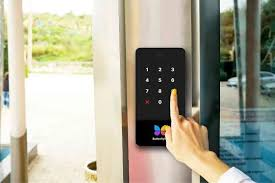
1. Keypad and PIN-Based Systems
These systems require users to enter a numeric code for access. They are affordable and easy to install, making them suitable for small shops, apartments, and offices. However, shared or observed PINs can reduce security
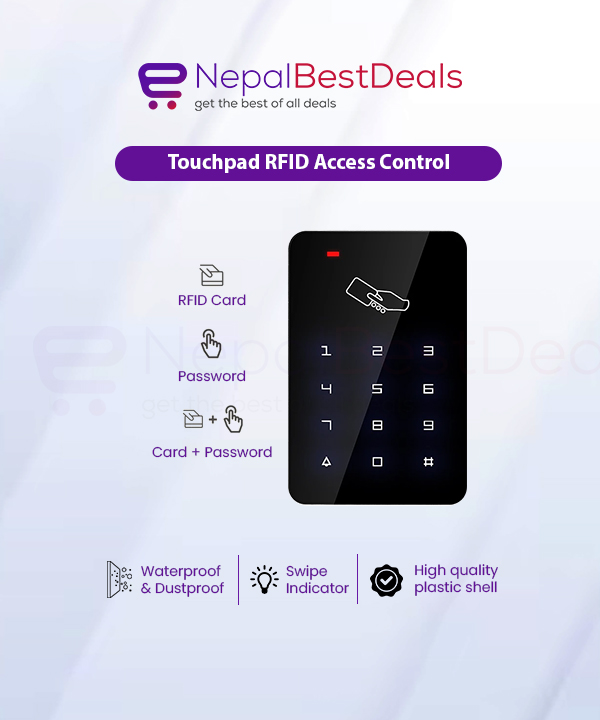
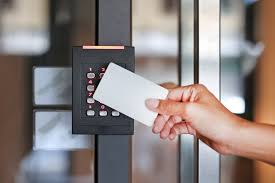
2. RFID Card and Key Fob Systems
RFID (Radio Frequency Identification) access control is widely used in corporate offices, hotels, hospitals, and educational institutions. Users gain access by tapping a card or key fob on a reader. These systems allow administrators to easily add or remove users without changing physical locks. In Nepal, RFID systems are common in office buildings and apartment complexes.
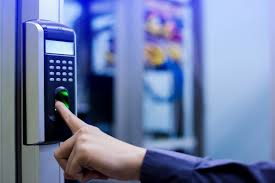
3. Biometric Access Control Systems
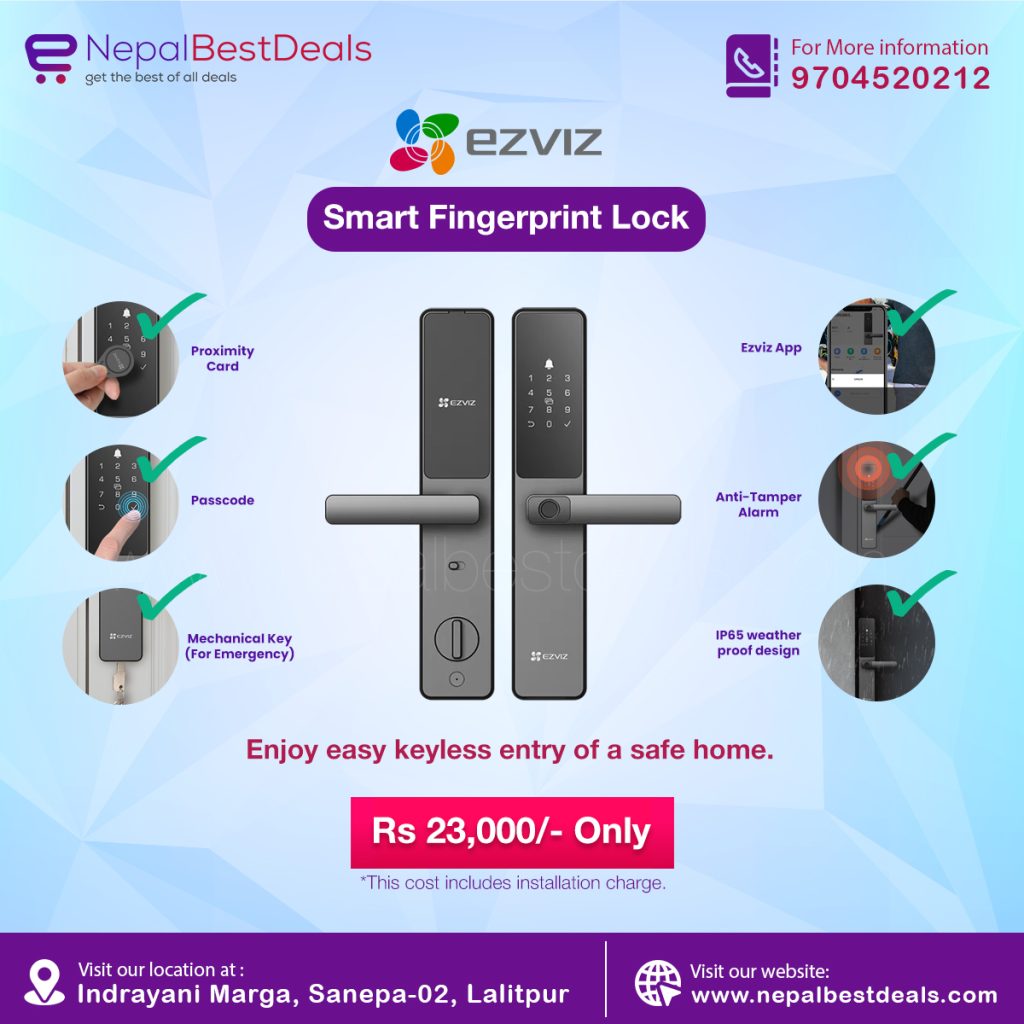
Biometric systems authenticate users based on unique physical traits such as fingerprints or facial features. Fingerprint systems are the most common in Nepal due to affordability and reliability. Many organizations combine them with attendance tracking. These systems provide higher security because biometric data cannot be shared.
4. Mobile and Smart Access Control
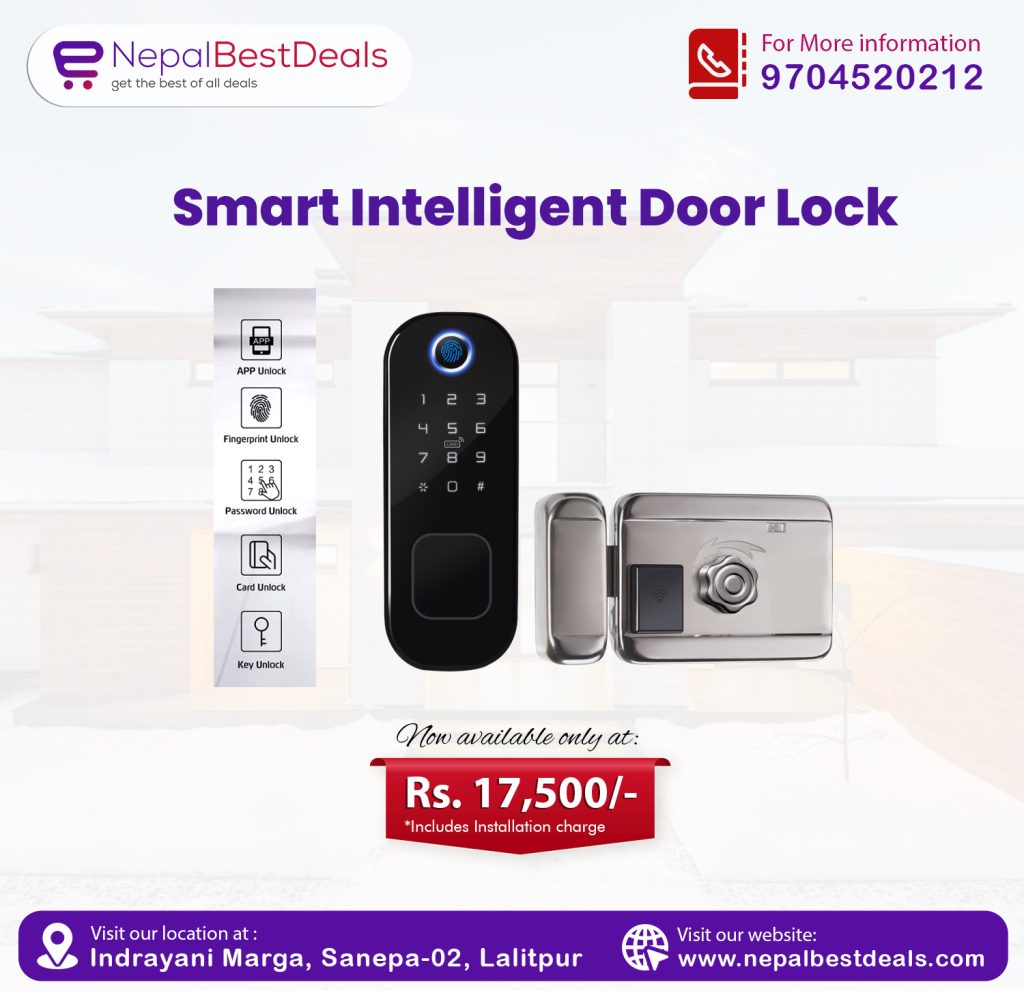
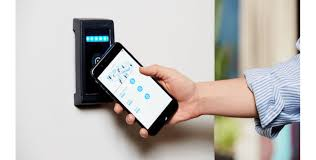
With increasing smartphone usage, mobile-based access control systems are gradually entering the Nepali market. These systems allow users to unlock doors using mobile apps, Bluetooth, or QR codes. Although adoption is still limited, smart access solutions are gaining interest in modern office spaces, hotels, and high-end residential projects.
Access Control Across Different Sectors
Residential Buildings
Apartment complexes, gated communities, and modern housing projects in Nepal use access control systems to manage entry points. RFID cards, biometric readers, and video door phones help residents control visitor access and improve safety.
Commercial and Corporate Offices
Businesses use access control to secure sensitive areas such as server rooms, finance departments, and executive offices. These systems also improve employee attendance management.
Healthcare Facilities
Hospitals use access control to protect patient records, medical equipment, and restricted zones like laboratories and operating rooms, while managing visitor flow.
Educational Institutions
Schools and universities secure campuses, hostels, and examination halls using access control systems to ensure student safety and discipline.
Industrial and Manufacturing Sites
Factories and warehouses use biometric and card-based systems to protect machinery, raw materials, and finished goods while managing shift-based worker access.
Future of Access Control in Nepal
The future of access control in Nepal is promising. Growth in smart buildings, digital workplaces, and e-governance will increase demand for advanced systems. Biometric and mobile-based access solutions will become more common, while cloud-based platforms will enable remote management and scalability. Improved infrastructure and rising security awareness will further support adoption nationwide.
Conclusion
Access control systems have become an essential component of modern security in Nepal. By regulating entry, enhancing accountability, and integrating with other security technologies, these systems help protect people, property, and information. Although challenges such as cost and infrastructure limitations remain, continued technological progress and awareness will drive wider adoption. As Nepal moves toward a more secure and digital future, access control will play a vital role in shaping safe and efficient environments across all sectors.
“Selecting the right system is just the first step. For a full range of security options, explore our comprehensive physical security solutions to protect every aspect of your business or home.”https://nepalbestdeals.com