










 CCTV Camera
 Smart Door Lock
 GPS Tracker
 Network Switches
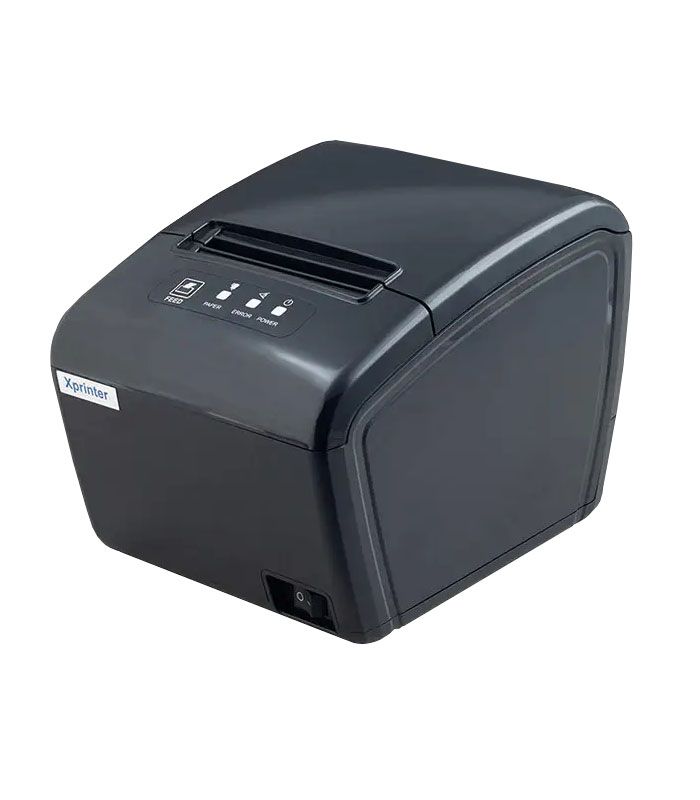
Label Printers in Nepal

Rapid economic and technological development drives Nepal forward, propelled by urban expansion and the vigorous growth of e-commerce. Consequently, as cities quickly grow, e-commerce expands, and more businesses adopt digital systems, the demand for essential tools rises. For example, whether in Kathmandu’s bustling logistics centers or even in large factories along major industrial routes, label printers quietly keep daily operations running. Specifically, these devices help stores stay organized, furthermore, they support essential shipping and delivery services. Above all, they make inventory tracking easier, and ultimately, play a big role in product presentation and branding.
Why Nepal Needs Labels
For decades, many small and medium enterprises in Nepal relied on handwritten tags or pre-printed, generic sticker sheets. However, the requirements of modern business, particularly in relation to modern trade, have made dynamic, on – demand label printing a necessity.
http://zywell.net/a-news-understanding-the-technology-behind-label-printers-a-detailed-overview.html
- The E-commerce and Logistics Boom
Platforms like Daraz and expanding domestic courier services fundamentally changed how they move and track goods.
- Shipping labels: Every package shipped requires a unique tracking number, recipient address, and sometimes a QR code for scanning. Direct Thermal label printers are essential for generating high volume shipping and address labels that ensure efficient transit and reduce errors.
- As better inventory management systems adopt warehouses, the systems fix printed barcode labels to every shelf, bin, and item. These labels, often printed using Thermal Transfer technology for enhanced durability, streamlining operations from receiving to dispatch.
- Retail and Point-of-Sale (POS) Integration
Modern Nepali retail, from supermarkets like Bhatbhateni to specialized boutiques demand accurate and appealing product labeling.
- Barcode Labeling: Staff price and inventory products using Universal Product Codes (UPCs) or local barcodes. Label printers, often integrated directly with POS software, allow stores to print fresh, accurate barcode labels for newly arrived, repriced, or custom-packaged items.
- Jewelry and Specialty Retail: Specialized labels are vital for tagging high-value items like gold and silver ornaments. These applications require high-resolution thermal transfer printers to ensure the tiny text and delicate barcodes are durable.
- Manufacturing and Industrial Compliance
The manufacturing sector, specifically textiles, food and beverage, and pharmaceuticals, requires robust labeling for internal tracking and compliance.
- Asset and Inventory Tracking: Manufacturers use durable labels to track machinery, tools, and raw materials. In the Food & Beverage sector, labels are crucial for displaying manufacturing dates, expiry dates, batch numbers, and ingredient lists, adhering to national food safety standards.
- Clothing Tags: High-end manufacturers utilize thermal transfer printers with specialized wash-care ribbons or satin label material to create clothing care instructions that can withstand washing and ironing.
Types of Label Printers Dominating the Nepalese Market
The market in Nepal is heavily filled with thermal printing technology due to its speed, reliability, and inkless operation, which is perfectly suited for high-volume, monochrome (black-and-white) labels.
Desktop Barcode Printers
These are the most common printers found in mid-sized businesses, retail stores and small warehouses. They handle mid-volume printing tasks efficiently.
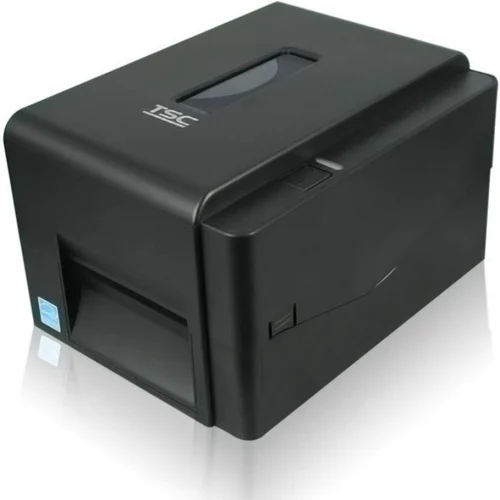
- Technology: Crucially, it often supports dual functionality, providing flexibility for printing both short-term shipping labels and long-lasting tags.
- Key models: Brands like TSC and various models from Rongta and x-Lab are widely available. These models are popular for their balance of performance.
- https://nepalbestdeals.com/product/alogic-ultra-mini-usb/
Portable Label Makers
These devices cater to on-site professionals and small office organizations.
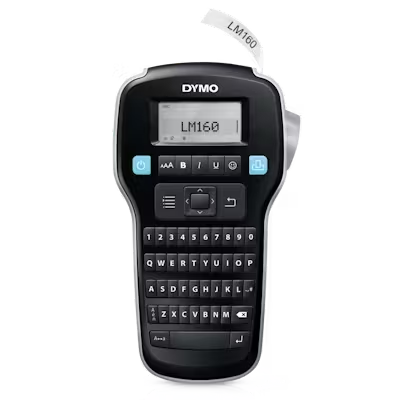
- Technology: We mostly use Thermal Transfer technology to produce labels. To clarify, this process indeed specifically yields highly durable, laminated labels; as a result, we ensure longevity and resistance to harsh conditions.
- Key Models: The Brother P-Touch series (e.g., PT-E110VP, QL-800) is a market leader. These are compact, often battery-operated, and ideal for electricians, network technicians and office managers.
- Advantage in Nepal: Their durability against dust, moisture, and temperature fluctuations makes them highly valued in construction and industrial environments.
Industrial Label Printers
These are heavy duty machines designed for 24/7 operation in large manufacturing units, distribution centers, and high-volume logistics firms.
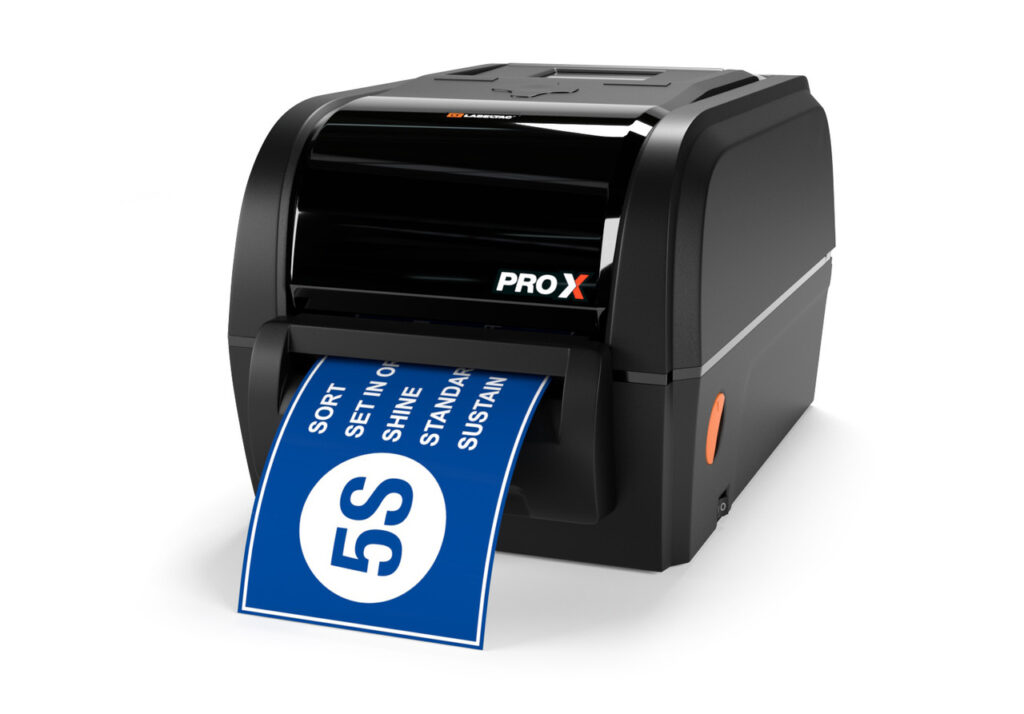
- Characteristics: They feature robust metal frames, larger media and faster print speeds.
- Brand Presence: While less frequently advertised to the general public, models from global leaders like Zebra, Honeywell, and high-end Epson ColorWorks are imported for specific large industrial projects.
The Economics of Label Printing in Nepal
The total cost of ownership for label printers in Nepal involves the initial purchase price, the cost of consumables and the availability of support.
Initial Hardware Costs
Label printers in Nepal are priced competitively
- Entry-Level (Price Guns/Mini Thermal Printers): Price label guns (e.g., MX-5500) and mini portable thermal printers are highly affordable that typically ranges from Rs.1,000 to 8,000. These are perfect for small-scale pricing or personal use.
- Desktop Barcode Printers: Mid-range models like the TSC TTP 244 Pro or Rongta RP 400A are typically available between Rs. 20,000 and 35,000.
- Professional/Industrial Models: Prices for professional handheld units (like the Brother QL-800) start around Rs. 30,000 and can quickly escalate to over Rs. 1,50,000 for industrial-grade machines.
The key to profitable label printing is the cost and consistency of consumables
- Local Manufacturing: While many printers are imported, nevertheless there is a growing local manufacturing sector for labels. For instance, companies like Hempra Multi Prints manufacture various labels (including industrial and food-grade) within Nepal.
- Ribbon Supply: Thermal Transfer ribbons remain largely imported. Availability of specific ribbon types for high-end printers can sometimes be a supply chain challenge outside major cities like Kathmandu and Pokhara.
- Pricing: A roll of 5,000 pieces of a standard-sized thermal label sticker is quite affordable, often priced in the range of Rs. 800 to 1,500, depending on material quality and supplier.
The Importance of Integration and Support
Essentially modern label printing must integrate seamlessly with business software.
Integration with Business Software:
- Accounting Systems: Many Nepalese software solutions, including local cloud-based accounting and POS applications like Tigg, now include direct modules for barcode printing, ensuring that inventory databases are instantly synchronized with physical labels.
- BarTender/NiceLabel: Importers often bundle free or trial versions of professional labeling software (like Bartender) with the purchase of a new printer, providing users with the tools to design complex labels incorporating data, logos, and advanced barcodes.
Future Trajectory
The future of label printing in Nepal points toward increasing sophistication:
RFID Integration: Concerning highly valuable assets and advanced supply chain management, the adoption of RFID-enabled printers will eventually begin in the industrial sector; consequently, this move will necessitate technological upgrades across the industry.
Color Labeling: The rise of small-batch, artisanal products will drive demand for on-demand color label printers (like Epson ColorWorks), allowing Small and medium sized enterprises to print professional-grade primary product labels instantly.
Mobile Solutions: As delivery and field service operations expand into rural areas, robust mobile label printers connected via Bluetooth/Wi-Fi will become the standard for on-the-spot labeling and inventory updates.
