









 CCTV Camera
 Smart Door Lock
 GPS Tracker
 Network Switches
PABX System Pricing in Nepal

Nepal’s rapidly evolving commercial landscape demands clear and efficient communication; it represents a competitive necessity. For decades, the Private Automatic Branch Exchange (PABX) system formed the backbone of internal and external communication for businesses, hotels, and institutions across Kathmandu, Pokhara, and other urban centers. A PABX system allows a single access number to manage multiple telephone lines, and provides essential features like inter-office communication (intercom), call transferring, and automated attendant services. Choosing and budgeting for a PABX system in Nepal forces businesses to confront a crucial decision: invest in a traditional Analog PABX, or transition to a modern, feature-rich IP PBX (VoIP) system. This comprehensive article delves into the current pricing structure of PABX systems in Nepal, analyzing costs across different capacities, comparing Analog versus IP solutions, and detailing the hidden expenses of installation and maintenance. https://en.wikipedia.org/wiki/Business_telephone_system
1. Understanding the PABX Landscape in Nepal
The telecommunications market in Nepal is primarily served by established international brands and strong local distributors. Consequently, the range of available PABX solutions is quite diverse. For analytical purposes, the systems generally fall into two broad categories, each with a distinct cost profile: first, the Traditional (Analog) PABX, and second, the modern IP PBX (VoIP) system.
A. Traditional Analog PABX (The Legacy System)
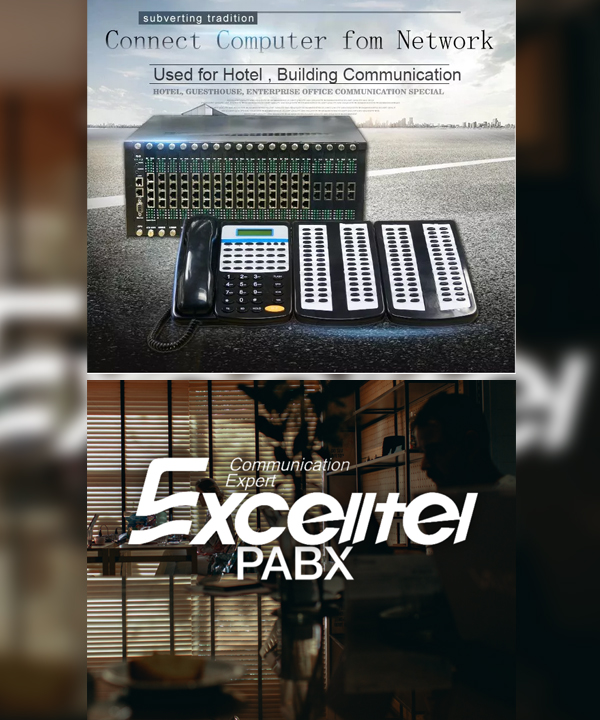
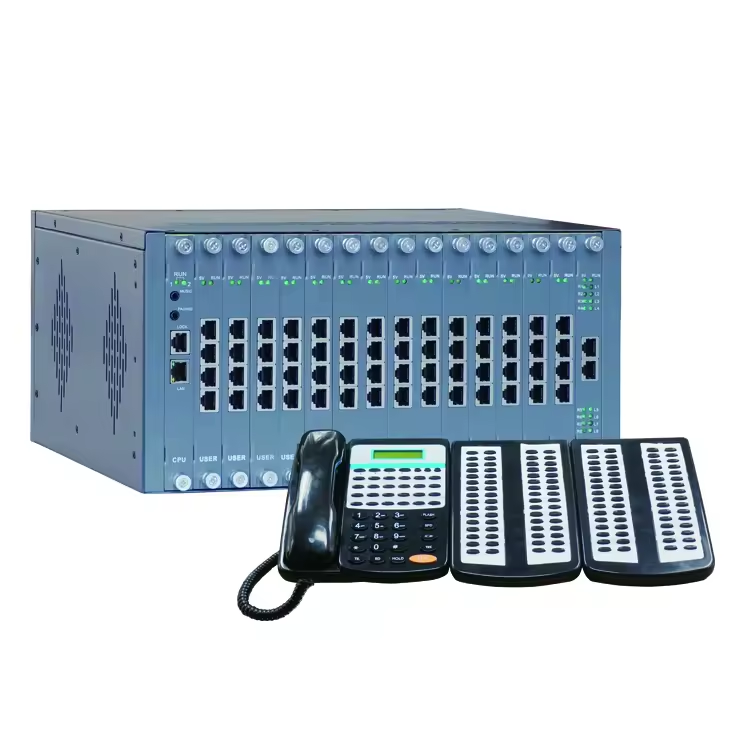
These systems use copper wires and traditional analog desk phones. As a result, they are generally simpler and offer lower upfront hardware costs, making them popular among smaller businesses, residential complexes, and older establishments seeking basic internal communication. Notably, brands like Excelltel, Miracall, and certain Panasonic models dominate this segment.
B. IP PBX (VoIP) & Hybrid Systems (The Future)
These systems route calls over the internet (Voice over IP) and are scalable. Consequently, they offer advanced features like video conferencing, mobile integration, and remote extensions. Beyond this, hybrid systems allow businesses to leverage their existing analog lines while transitioning to VoIP. In this market segment, brands such as Yeastar and more advanced Panasonic models are prominent here.
2. PABX System Hardware Price Breakdown in Nepal
The central unit price is primarily determined by its capacity, which is defined by the number of external lines (CO Lines) and internal extensions (EXT). Prices are quoted in Nepali Rupees (Rs.).
| System Type (Capacity: CO Lines / Extensions) | Target User / Scenario | Estimated Hardware Price Range (NPR) |
| Mini PABX (2/8 to 4/16) | Small offices, boutique hotels, residential complexes. | Rs. 8,500 – Rs. 16,500 |
| Mid-Range Analog PABX (4/24 to 8/32) | Medium-sized enterprises, banks, NGOs. | Rs. 18,500 – Rs. 39,500 |
| High-End Analog (KX-TES824) | Businesses needing specific Analog features. | Rs. 39,500 – Rs. 45,000+ |
| IP PBX / VoIP Appliance (e.g., Yeastar S-Series) | Tech-focused SMEs, Corporate offices requiring scalability. | Rs. 95,000 – Rs. 150,000+ (Base Unit) |
3. Comprehensive Cost Components: Beyond the Box
The total cost of a PABX system extends far beyond the price of the central unit. Businesses must budget for three main categories:
A. Peripheral Hardware Costs
- Telephone Sets:
- Analog Phones: Standard desk phones cost Rs. 1,500 to Rs. 3,000 per unit.
- Proprietary/Digital Phones: Required for key system features on some analog PABX models, costing Rs. 5,000 to Rs. 10,000+ per unit.
- IP Phones (VoIP): Required for IP PBX systems, offering superior features but costing significantly more, typically Rs. 7,000 to Rs. 15,000+ per unit.
- Wiring and Cabling: The cost of CAT3/CAT5/CAT6 cable and accessories, which is highly variable depending on the office size and structure.
- Power Backup: An Uninterruptible Power Supply (UPS) is essential for call continuity during frequent power cuts (load shedding), costing Rs. 8,000 to Rs. 20,000+ depending on capacity.
B. Installation and Service Costs
This is often the most overlooked expense, yet it is crucial for system reliability.
- Installation Fee: For small-to-mid-sized PABX units (up to 32 extensions), the standard installation and programming fee by local technicians in Kathmandu generally ranges from Rs. 700 to Rs. 5,000. Complex or large-scale IP PBX installations will charge significantly more, often based on a per-day or per-extension rate.
- Repair/Service Charge: For instance, basic repair and maintenance services are often advertised for Rs. 700 to Rs. 800 per service call in the Kathmandu Valley.
- Configuration & Programming: Advanced features like Auto-Attendant (DISA), Voice Messaging, and trunk optimization require skilled configuration, which may be charged separately or bundled into the installation fee.
C. Operational and Recurring Costs (IP PBX Focus)
While traditional PABX systems have low recurring costs, IP PBX systems require ongoing budgeting:
- Internet Bandwidth: VoIP requires a stable and adequate internet connection. The cost of dedicated commercial internet lines is a significant factor.
- SIP Trunking Fees: If you opt for an official Nepal Telecom (NT) or Ncell SIP PBX service, there are associated registration fees, deposits, and monthly rental charges (e.g., NT lists a registration fee of Rs.500 and installation fees of Rs. 6,000 for certain plans).
- Licensing: For large-scale IP PBX systems, licenses may be required for additional users, features, or software updates.
4. Cost Comparison: Analog PABX vs. IP PBX
Businesses must weigh the initial investment against long-term operational costs and features.
| Feature | Analog PABX (Traditional) | IP PBX (Modern VoIP) |
| Initial Hardware Cost | Low. (Rs. 8,500 – Rs. 45,000) | High. (Rs. 95,000+ for the base unit) |
| Phone Cost | Low (Rs. 1,500 per unit) | High (Rs. 7,000+ per unit) |
| Wiring | Separate, dedicated new wiring (copper) required. | Uses existing LAN/Data network wiring. |
| Recurring Costs | Very Low (primarily electricity). | Moderate (Internet/Bandwidth, SIP Trunk fees). |
| Features | Basic (Intercom, Call Transfer, Auto-Attendant). | Advanced (Mobile app, Video, CRM Integration, Remote Workers). |
| Scalability | Limited (Max extension capacity is fixed). | High (Easily expandable via software licenses). |
5. Final Recommendations for Buyers in Nepal
- Small Office (Under 10 Staff): The cost-effectiveness of a simple Analog Mini PABX (e.g., 3/8 or 4/16 models from Excelltel or Miracall priced under Rs. 16,500) is undeniable.
- Hotels and Mid-Size Businesses (10-50 Staff): A Hybrid PBX or a dedicated mid-range Analog unit (4/24 or 8/32) is a wise choice. It provides features like wake-up calls and allows for future digital expansion.
- Large Corporations: IP PBX is the only viable option. The initial investment in a system like Yeastar is justified by the advanced features, scalability, and long-term savings on national and international call costs via VoIP.
When budgeting, always secure a formal quotation that itemizes the central unit, telephone sets, UPS, wiring costs, and the all-important final installation and programming charge. This thorough approach is necessary to avoid unexpected expenses.
Beyond just communication costs, while a PABX system efficiently manages internal and external voice communication, it is crucial for businesses to also invest in physical access and time management. Therefore, for a complete strategy on securing your entry points and managing employee movement, we highly recommend reading our detailed guide on comprehensive physical security solutions available in Nepal.” https://nepalbestdeals.com