







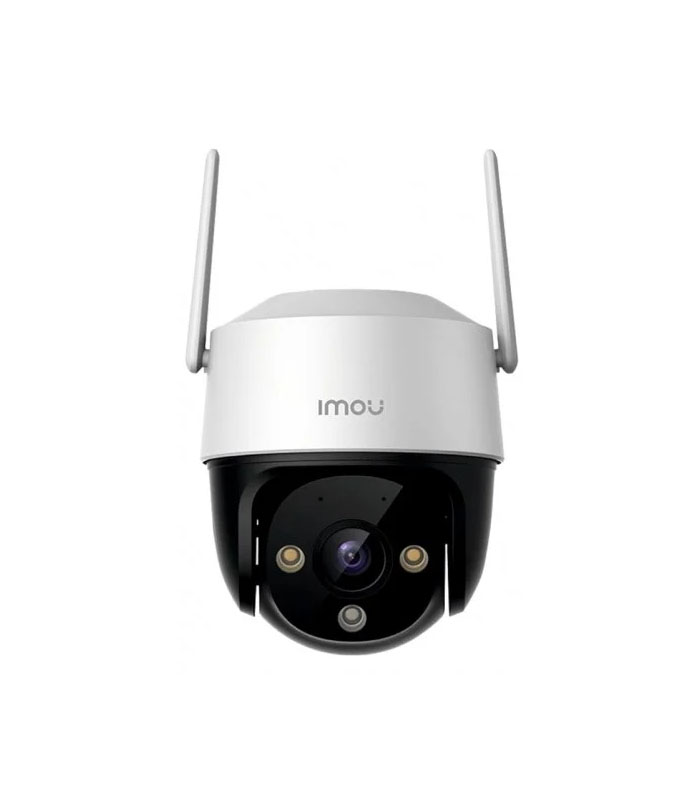
 CCTV Camera
 Smart Door Lock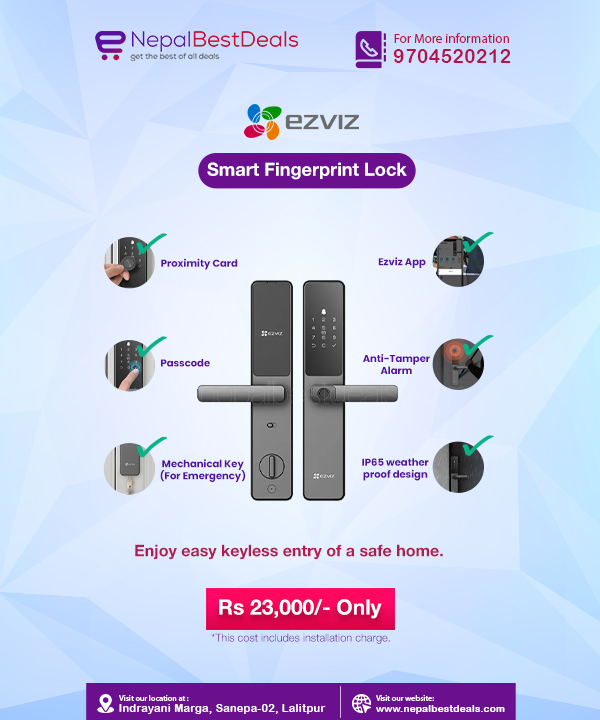

 GPS Tracker
 Network Switches
Types of Wireless CCTV Camera:

Wireless CCTV technology has become an important part of modern security systems because it removes the need for complicated wiring and provides greater flexibility during installation that traditional wired systems often cannot match. As both private and public spaces move toward smarter and more adaptable security solutions, wireless CCTV camera have become a preferred choice. These cameras remove the need for complicated wiring and give users greater control over how they protect homes, offices,and outdoor spaces. Because wireless models come in different designs and functions; users must understand their main types to choose the best option. https://en.wikipedia.org/wiki/Wireless_security_camera
Classification by Data Transmission
The transmission method a wireless CCTV camera uses directly influences its range, reliability, and overall operating cost.
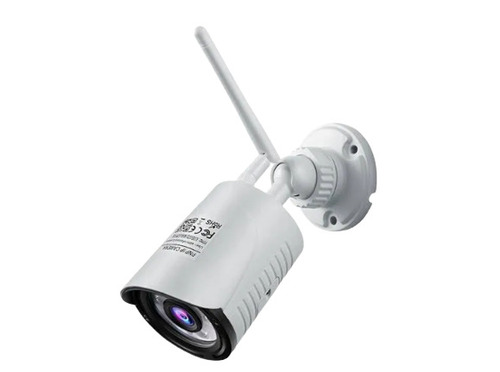
Wi-Fi IP Camera:
Wi-Fi IP CCTV devices dominate home and small business security systems because they connect directly to the existing local area network
Key Features
- First, each Wi-Fi camera operates as a small networked computer with its own IP address.
- Furthermore, these visual sensors support HD, 2K, and even 4K video resolutions.
- Consequently, they stream footage through the Wi-Fi connection, letting users monitor their property through connected devices.
Where They Are Used
Users place Wi-Fi cameras mostly in homes, small offices, or indoor shops where internet connectivity remains steady. Therefore, they suit users who require quick alerts or real-time access through their smartphones.
Cellular Cameras:
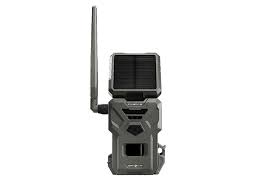
Cellular devices offer a practical solution when users lack Wi-Fi or broadband internet.
Key Features
- These surveillance devices use mobile networks to transmit video, which allows them to work in remote areas, construction zones, farms, and off-grid buildings.
- Users install them easily because they do not require complex network configuration or Wi-Fi setup.
- They maintain connectivity even in locations far beyond Wi-Fi range.
Where They Are Used
They are commonly used in outdoor areas without power outlets, such as gardens, temporary camps, construction areas, and rented properties. Permanent installation is prohibited.
Types of Camera by Power Source
Wireless security devices send video wirelessly. The camera still needs power to operate. This creates another classification based on how each camera receives power supply.
Plug-in Camera:
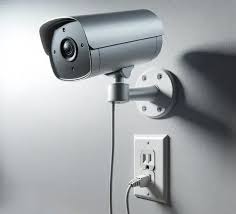
Plug-in wireless units send data wirelessly but depend on an electrical outlet for power.
Key Features
- They use a power cord to maintain continuous and stable operation.
- Users choose them when they want uninterrupted recording without worrying about battery life.
Where They Are Used
They are used in residential rooms such as living rooms, kitchens, and hallways
Battery-Powered CCTV camera:
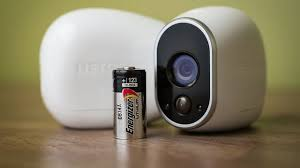
These are truly wire-free (Closed-Circuit Television Device), as they require no power or data cables.
Key Features
- They operate entirely on rechargeable or replaceable batteries.
- Users can mount them almost anywhere, including high or remote locations without accessible power.
- They offer maximum flexibility for both indoor and outdoor monitoring. They are commonly used in outdoor areas without power outlets
Where They Are Used
Users place them in outdoor areas without power outlets, such as gardens, temporary camps, construction areas, and rented properties. Permanent installation is not allowed in these locations.
Self-Sustaining Camera:
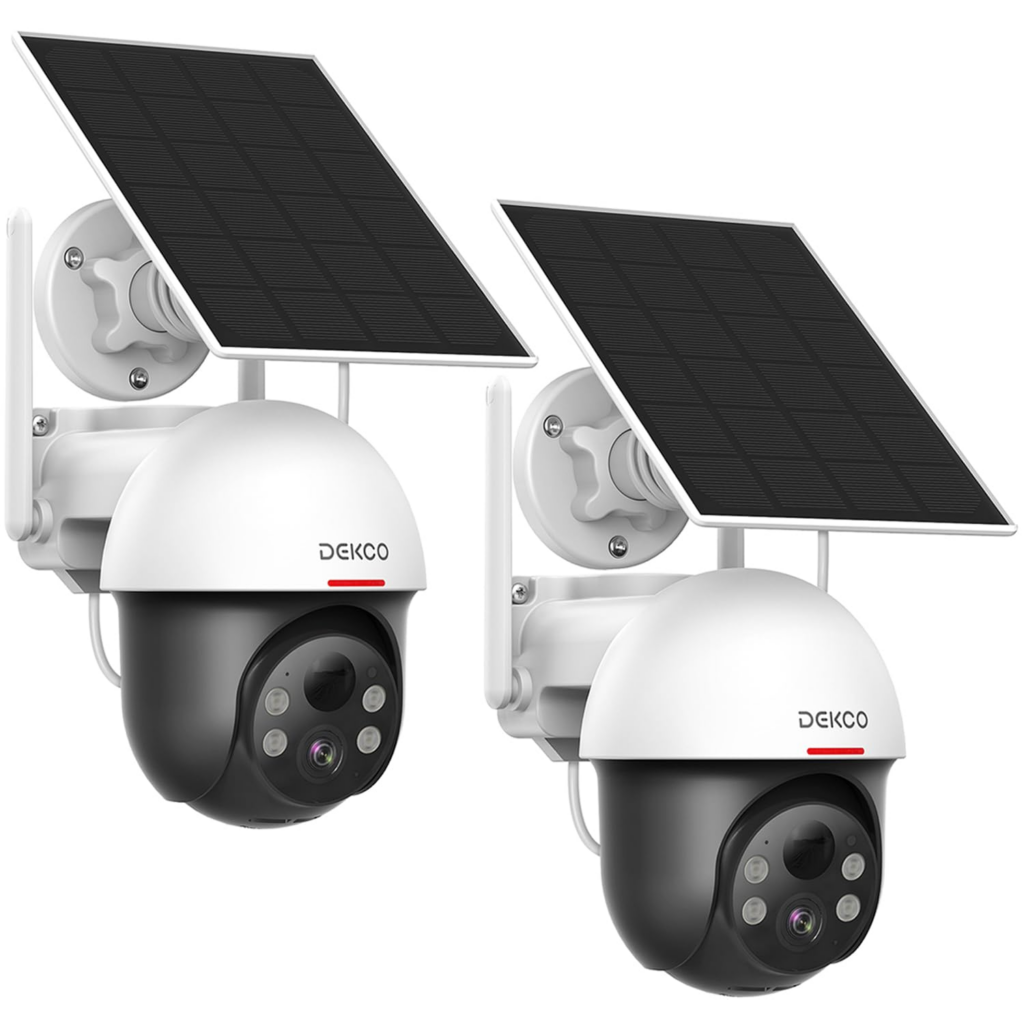
These are a variation of battery-powered models that include an integrated solar panel.
Key Features
- The solar panel recharges the internal battery significantly. They reduce or eliminate the need for manual battery changes.
- They perform extremely well in outdoor areas with reliable sunlight.
- Solar devices serve farms, highways, and open fields. Electricity is unavailable or unreliable.
Where They Are Used
Solar units serve farms, highways, forest areas, and open fields. Electricity is unavailable or unreliable in these locations.
Types by Form Factor
Wireless CCTV devices also come in various shapes and designs. Each suits different surveillance needs and installation environments.
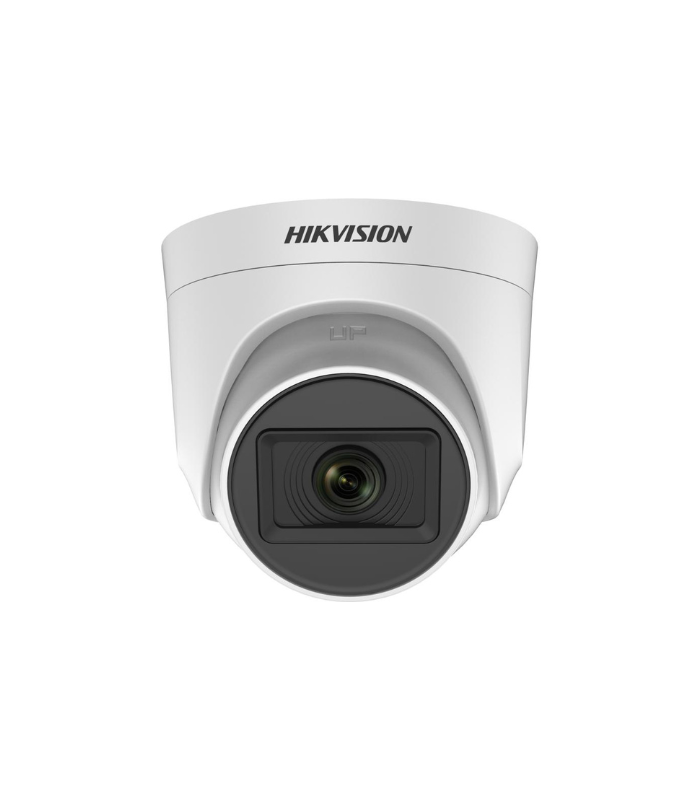
Dome Security Devices:
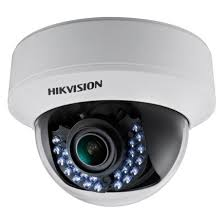
Dome monitoring devices are highly popular. Their dome-shaped design offers both protection and discretion.
Key Features
- Their hemispherical cover hides the camera’s viewing direction,which increases security.
- Their study housing protects them from weather conditions and vandalism
- Users install them in places where they want both a clean appearance and reliable monitoring.
Where They Are Used
Users install dome cameras in malls, hotels, offices, schools, and indoor public areas where both appearance and wide coverage matter. Their hidden viewing angle makes them ideal for monitoring hallways, lobbies, and store interiors.
Bullet Monitoring Units:
These are long, cylindrical, and highly visible cameras. It resembles a rifle bullet, typically mounted on a bracket.

Key Features
- They often include strong infrared LEDs for long-distance night vision.
- Their pointed design allows users to aim them precisely at specific areas.
- They work well for monitoring entrances, boundaries, and open outdoor spaces.
Turret Camera:
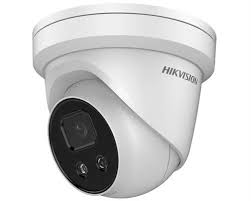
It is a modern evolution of the dome camera. It has a ball-and-socket mount.
Key Features
- They eliminate the infrared reflection problems that dome cameras sometimes experience.
- Their design lets users adjust the viewing angle easily.
- They offer clear night vision and excellent image quality in various lightning conditions.
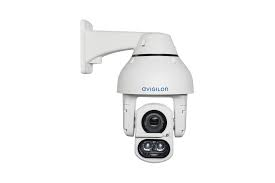
PTZ (Pan-Tilt-Zoom) Monitoring Units:
These are functionally versatile cameras designed for monitoring vast areas.
Key Features
- They pan, tilt and zoom to cover wide areas from a single vantage point.
- Users can control their movement manually or allow them to track motion automatically.
- They serve large spaces such as parking lots, public squares, farms, and warehouses
Where They Are Used
These cameras are ideal for shopping malls, warehouses, public venues, and industrial zones where wide coverage and detailed observation are necessary.
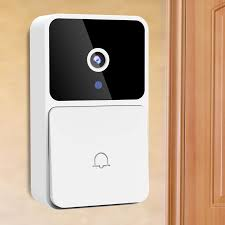
Doorbell Surveillance Devices:
It is a specialized form of wireless camera integrated into a doorbell mechanism.
Key Features
- They integrate a camera into the doorbell unit, allowing users to see and communicate with visitors.
- They operate primarily through Wi-Fi and link with mobile apps for real-time alerts.
- They strengthen both home security and access control.
Conclusion
Wireless CCTV cameras reshape modern surveillance by offering flexible installation, diverse power options, and multiple designs that suit different environments. When users understand how these monitoring units transmit data whether through Wi-Fi or cellular networks they select a system that matches their connectivity needs.The power source influences camera placement; battery-powered and solar-powered models give users the most freedom. Form factors such as dome, bullet, turret, PTZ, and doorbell surveillance devices allow users to select equipment that fits both the physical space and the required level of monitoring. By examining these classifications, users confidently select the most efficient wireless camera for homes, businesses, remote sites, or high-security areas.As technology advances, wireless CCTV devices deliver smarter, more reliable, and more accessible security solutions for every type of property.
“Choosing the right mix of Dome, Bullet, and PTZ cameras can be complex based on your property’s unique vulnerabilities. Instead of guessing, we recommend you request a personalized quote from our certified security experts.” https://nepalbestdeals.com/